
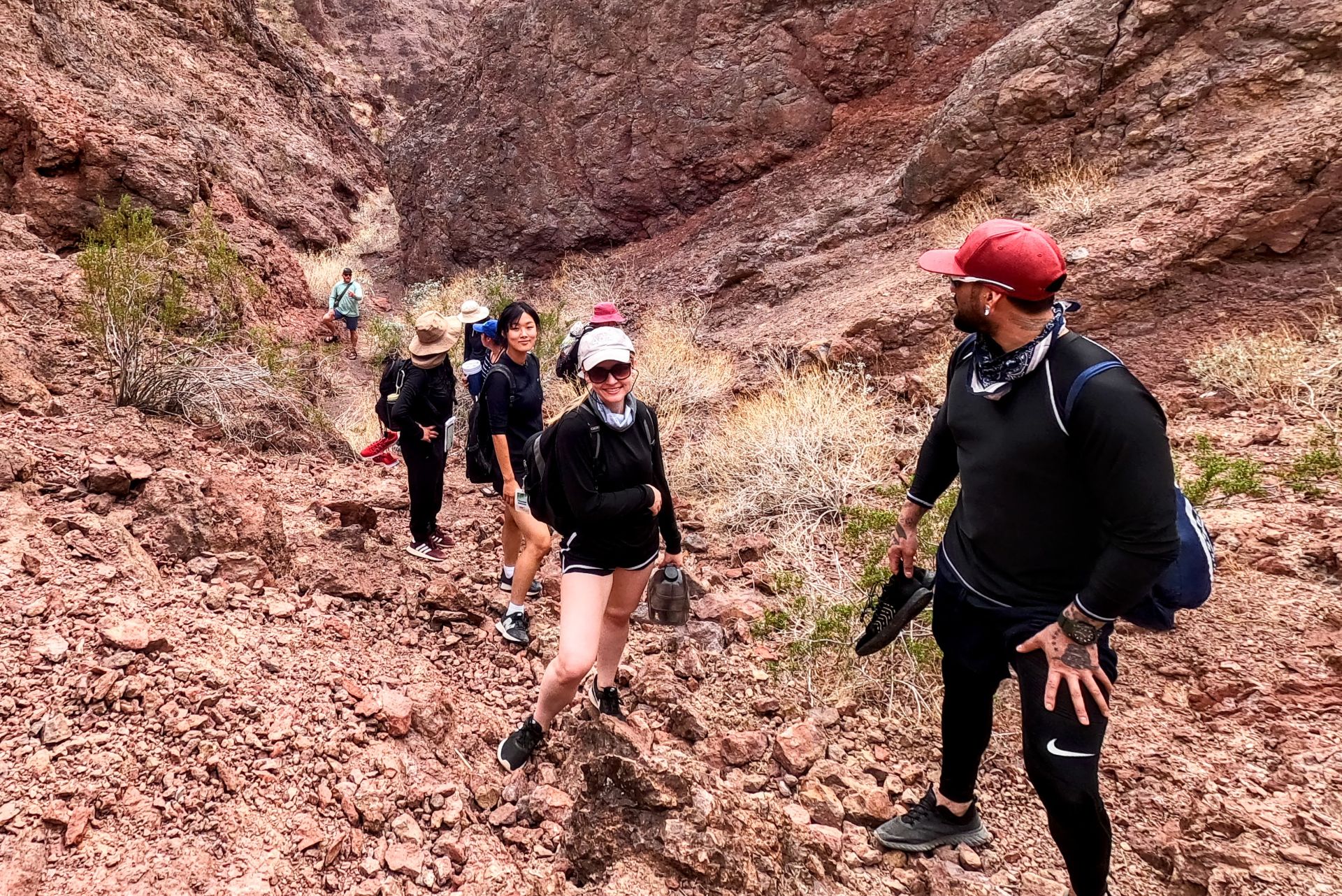
Have you ever felt the creeping exhaustion of a long summer in the field? As the days get longer and your body feels heavier, burnout becomes more than just a buzzword; it’s a reality. I remember the early days of my career in outdoor education, full of energy and excitement. But as summers dragged on, I noticed a troubling pattern: each year, burnout set in quicker and hit harder. By the end of the third summer, I wasn’t just tired – I was bitter and physically worn out. Watching colleagues go through the same cycle, I realized something had to change.
In the outdoor education field, experience is invaluable. It’s often the difference between a safe, successful adventure and a risky, chaotic one. But what happens when that very experience leads to quicker burnout? This question led to our recent study on the impact of experience on outdoor education professionals.
In this post, you'll learn about the key differences between experienced and inexperienced staff, practical ways to prevent burnout, and how to promote mental well-being among your team. By understanding these dynamics, we can create a healthier, more sustainable environment for everyone in the field.
Understanding the Differences
Implications for the Outdoor Industry


Conclusion
Stay Connected