
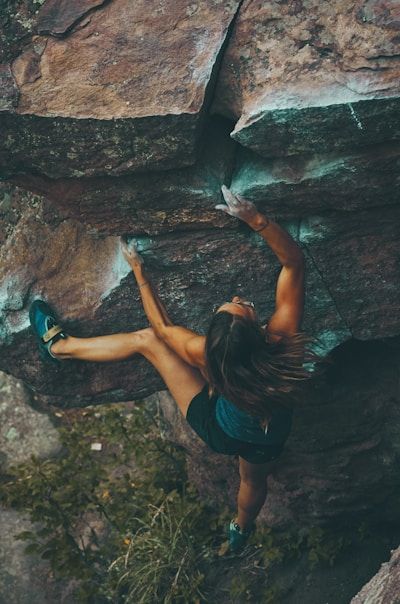
This past year, I (Becca) conducted a study concerning the influence of rock climbing on women who experience mental illness (specifically anxiety disorders and depression) while completing my Master of Social Work. Through powerful conversations concerning trauma and mental illness, I found overwhelming positive qualities of the sport, including an increased sense of resiliency, self-determination, and self-efficacy. While watching this film, it became clear that the narratives and resulting impact told by the climbers reach much further than the broader climbing community has possibly realized. The stigma of mental illness reaches much further than the relatively small community built by this sport, but this film and the broader narrative give us the opportunity to tackle sometimes difficult discussions head-on.
Kathy Karlo describes the opportunity given to rock climbers to “bridge the empathy gap” by participating in open discussions involving trauma, mental illness, and climbing. Not only do I identify with this personally, but I also see her facilitating these open discussions firsthand on her popular podcast, For the Love of Climbing. As she describes a personal traumatic experience in Stone Locals, it is evident that diving into these topics with other climbers was a pivotal part of her journey to work through personal strife and regain a sense of self. It must not be overlooked, though, that the difficulty in developing resiliency when the cause of trauma is due to the sport and/or community itself is immense. This is another major theme found in my research, as many participants described their sense of self in the rock climbing community, also aligning with the source of their pain as well as recovery.
As depicted in Stone Locals, Daniel Pohl has made Germany’s Avalonia into an artistic and unconventional bouldering paradise. His vulnerability in this film should not be overlooked, as he discusses the systemic discrimination of those experiencing mental illness by the state, as well as the ways he has developed coping mechanisms. In one scene, after describing his experience in a psychiatric hospital, he explains that “it is important the world knows it’s not always happy.” Although this was intended to be specific to his story, I believe it is essential for climbers as well as the broader community to let these words sink in as we digest how open we are willing to be concerning our own experiences with mental illness, whether it be personal or about someone we love. Daniel also expands the climbing narrative by integrating art into his resilience and coping methods, as well as by cleaning up the beautiful space where he lives, inspiring many. Again, this is a major theme in my research: the importance of the outdoors and of appreciating solitude in nature.
There is a swarm of discussions to be had about Stone Locals, and I truly hope that it brings about moments of vulnerability and openness concerning mental illness, community, sexual assault, family, and artistic expression. I know that for me, personally, the first viewing caused me to leave the room to fully grasp the ways some stories mimicked my own. As individuals and a climbing community as a whole, we have a unique opportunity to see, as Kathy puts it, “vulnerability and strength as the same.”
If you or someone you know is struggling, reach out to get help at 988.
Thank you so incredibly much for reading, and I hope to continue this conversation long after #stonelocals is no longer trending on social media.
Further Resources/Links:
Stay Connected